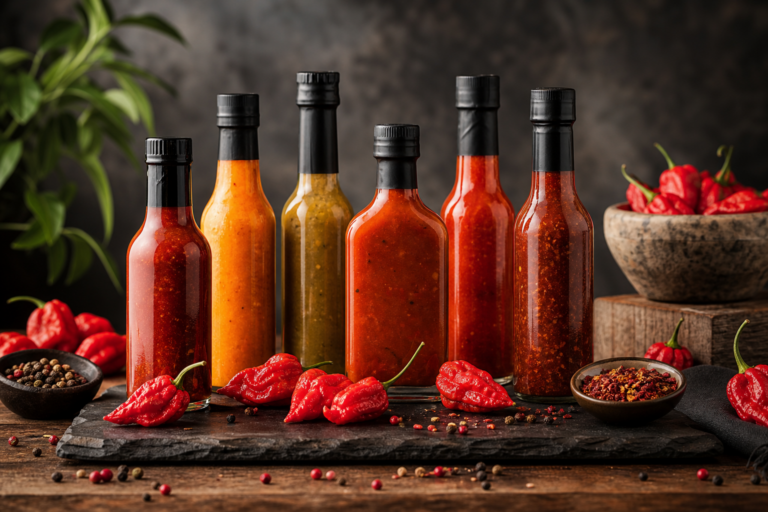
Nashville Hot Fried Chicken: The Cayenne Paste Technique, Perfected
Nashville Hot Chicken is the dish that put Tennessee on the global food map — fiercely spicy, shatteringly crisp, and lacquered in a cayenne-oil paste that blooms on the tongue before the heat slowly, relentlessly builds. Whether you are feeding a crowd or finally tackling the project you have been putting off, this is one of the most rewarding things you can cook at home.
Yield: 8 bone-in pieces (serves 4) | Active prep: 30 minutes plus 4–24 hours brining | Cook time: 40 minutes | Difficulty: Intermediate
Ingredients
Buttermilk Brine
- 3–4 lb (1.4–1.8 kg) bone-in, skin-on chicken pieces (thighs, drumsticks, breasts, wings)
- 2 cups (480 ml) buttermilk
- ¼ cup (60 ml) dill pickle juice
- 2 tbsp hot sauce (Frank’s RedHot or Louisiana Brand)
- 5 garlic cloves, finely grated
- 1 tbsp kosher salt
- 1 tsp freshly ground black pepper
Seasoned Dredge
- 2 cups (250 g) all-purpose flour
- ¼ cup (30 g) cornstarch
- 1 tsp baking powder
- 2 tsp kosher salt
- 1 tsp freshly ground black pepper
- 1 tsp garlic powder
- 1 tsp onion powder
- 1 tsp sweet paprika
For Frying
- 2–3 quarts (1.9–2.8 L) peanut or vegetable oil
Nashville Hot Paste
- ¾ cup (180 ml) hot frying oil, reserved from the fryer
- 3 tbsp cayenne pepper (hot level — reduce to taste; see Tips)
- 2 tbsp dark brown sugar, packed
- 1 tsp smoked paprika
- 1 tsp chili powder
- 1 tsp garlic powder
- 1 tsp kosher salt
- ½ tsp freshly ground black pepper
To Serve
- 4–6 slices soft white bread
- Dill pickle slices
Instructions
- Brine the chicken. Whisk together the buttermilk, pickle juice, hot sauce, grated garlic, salt, and pepper in a large bowl or resealable bag. Add the chicken, turn to coat thoroughly, then cover and refrigerate for at least 4 hours and up to 24 hours. The longer it brines, the more tender and deeply seasoned the meat will be.
- Temper before frying. Remove the chicken from the refrigerator 30 minutes before you plan to cook. Starting with cold chicken drops the oil temperature sharply and results in greasy, unevenly cooked pieces.
- Mix the dredge. Combine the flour, cornstarch, baking powder, salt, pepper, garlic powder, onion powder, and paprika in a wide, shallow dish. Stir until the leavening and seasonings are evenly distributed throughout.
- Double-dredge the chicken. Lift each piece from the brine and let excess drip off — do not shake it dry, as surface moisture helps the flour adhere. Press firmly into the flour mixture to coat every surface. Return the piece briefly to the brine, then press into the flour a second time, really packing it on. This double dredge builds the craggy, cratered crust that will absorb the paste.
- Rest the coated chicken. Arrange the dredged pieces on a wire rack set over a baking sheet. Let them rest at room temperature for 15–20 minutes until the coating looks dry and matte. This is not optional — it sets the crust and prevents it from blowing off in the hot oil.
- Heat the oil. Pour oil into a large, heavy Dutch oven or cast-iron pot to a depth of about 3 inches (7.5 cm). Clip a deep-fry thermometer to the side and heat over medium-high to 350°F (175°C).
- Fry in batches. Carefully lower 3–4 pieces into the hot oil — no more, or the temperature will crash and the coating will absorb oil instead of crisping. Dark meat (thighs and drumsticks) needs 15–18 minutes total, flipping once halfway through. Bone-in breasts need 12–14 minutes. The skin should turn a deep mahogany-gold. Verify doneness with an instant-read thermometer: 165°F (74°C) for white meat, 175°F (79°C) for dark meat. Allow the oil to return to 350°F between every batch.
- Drain on a wire rack. Transfer fried chicken to a clean wire rack — never paper towels — so air circulates underneath and the bottom crust stays crisp. Keep warm in a 200°F (95°C) oven while you fry the remaining batches.
- Make the Nashville hot paste. Once the last batch is done, ladle ¾ cup of the hot cooking oil into a heatproof bowl. Add the cayenne, brown sugar, smoked paprika, chili powder, garlic powder, salt, and black pepper. Whisk vigorously — the hot oil blooms the spices instantly into a deep brick-red paste with an intense, fragrant heat. Work quickly; the paste is most effective when applied while both the oil and chicken are still very hot.
- Coat the chicken. Using a pastry brush or large spoon, slather every piece generously on all sides with the cayenne paste. The warm crust absorbs the spiced oil and develops that iconic glistening, lacquered finish that defines Nashville hot chicken.
- Serve immediately. Stack the chicken on slices of soft white bread — the bread soaks up the pooling spice oil beneath the chicken and is arguably the best bite of the meal. Pile dill pickle slices on top for brightness and acidity, and eat while blazing hot.
Tips & Variations
- Heat levels: At 3 tbsp cayenne, this recipe sits firmly in the hot zone with a sustained, building burn. For medium, reduce to 1½ tbsp. For mild, use 2 tsp. For genuinely punishing extra-hot, push to 4–5 tbsp and proceed with full awareness of what you are doing.
- Oil choice: Peanut oil is traditional and gives a clean, slightly nutty backdrop. Vegetable or canola oil is a reliable neutral substitute. Avoid anything with a low smoke point — you need to hold 350°F for extended periods.
- No pickle juice? Substitute an equal amount of white wine vinegar mixed with ¼ tsp sugar for a similar tangy acidity.
- Make ahead: Brine the chicken overnight, dredge and rest it in the morning, then fry to order. The paste can be made up to 1 hour ahead and kept warm in a small saucepan over very low heat.
- Oven method: Set a wire rack on a rimmed baking sheet, spray generously with high-smoke-point oil, and bake breaded chicken at 425°F (220°C) for 35–40 minutes, flipping halfway. Apply the cayenne paste in exactly the same way. The crust is slightly less shattering, but the heat and flavour of the paste are identical.
- Storage: Nashville hot chicken is best eaten the moment it is made. Leftovers keep refrigerated for up to 2 days; reheat in a 375°F (190°C) oven for 10–12 minutes to revive the crust.
FAQ
Why use both cornstarch and baking powder in the dredge?
Cornstarch displaces some of the gluten-forming flour, giving a lighter, crispier crust. The baking powder reacts with moisture from the brine during frying, creating tiny bubbles that keep the coating open and crunchy — critically important here, because the crust must stay crisp even after being saturated with spiced oil.
Can I use boneless chicken?
Yes. Boneless thighs are the most forgiving cut and fry beautifully in 8–10 minutes at 350°F. Boneless breasts cook faster — 6–8 minutes — and dry out quickly if pushed too far, so pull them at an internal temperature of 160°F (71°C) and let carry-over heat finish the job.
Is the white bread strictly necessary?
Technically no, but practically yes. The soft bread placed under the chicken soaks up the pooling cayenne oil and transforms into something extraordinary in its own right — salty, spicy, and rich. Brioche and potato rolls are excellent substitutes; avoid crusty bread that will compete texturally with the fried crust.
What went wrong if my coating falls off during frying?
The most common culprits are skipping the 15–20 minute resting period after dredging, overcrowding the pot so the chicken steams rather than fries, or moving pieces too soon after they enter the oil. Lower them in gently and leave them completely undisturbed for at least 5 minutes before attempting the first flip.
Sources
- blog.thermoworks.com
- billyparisi.com
- grandbaby-cakes.com
- aspicyperspective.com
- budgetbytes.com
- saltandwind.com